
Yes, and often more than it is for younger children, because a teenager understands what they are working towards. Martial arts for teens builds genuine confidence, gives structure to a stage of life that often lacks it, and offers something rare: a place where a teenager is judged on effort rather than popularity. Here is an honest look at what it does, whether it is too late to start, and how to tell if it will actually stick.
What does martial arts actually do for a teenager?
It gives a teenager a measurable way to improve at something, in a setting where the rules are clear and the progress is visible. That combination is unusual in a teenager's life, where most feedback is social, ambiguous and outside their control.
The specific changes parents notice tend to be the same few. A teenager who trains regularly stands differently. They handle frustration better, because the training gives them low-stakes practice at failing and trying again. They tend to sleep and focus better, which shows up at school. None of this is unique to martial arts, but martial arts packages all of it into a couple of structured hours a week with an adult who expects something of them.
Book a trial. First class is free.
Is my teenager too old to start?
No. Twelve, fourteen, sixteen are all fine ages to begin, and starting later carries an advantage younger children do not have: a teenager can understand why a technique works, so they learn faster.
The worry that everyone else started as a child and your teenager will be behind is understandable and mostly wrong. Adults begin martial arts in their forties and progress steadily. A teenager starting fresh is not behind, they are starting, which is the only requirement. What matters far more than age is whether the class treats them as a teenager rather than a large child.
Will a teenager stick with it?
Some do and some do not, and the difference usually comes down to whether the class respects them. Teenagers abandon activities that feel babyish or pointless, and they stay with ones that feel like they are being taken seriously.
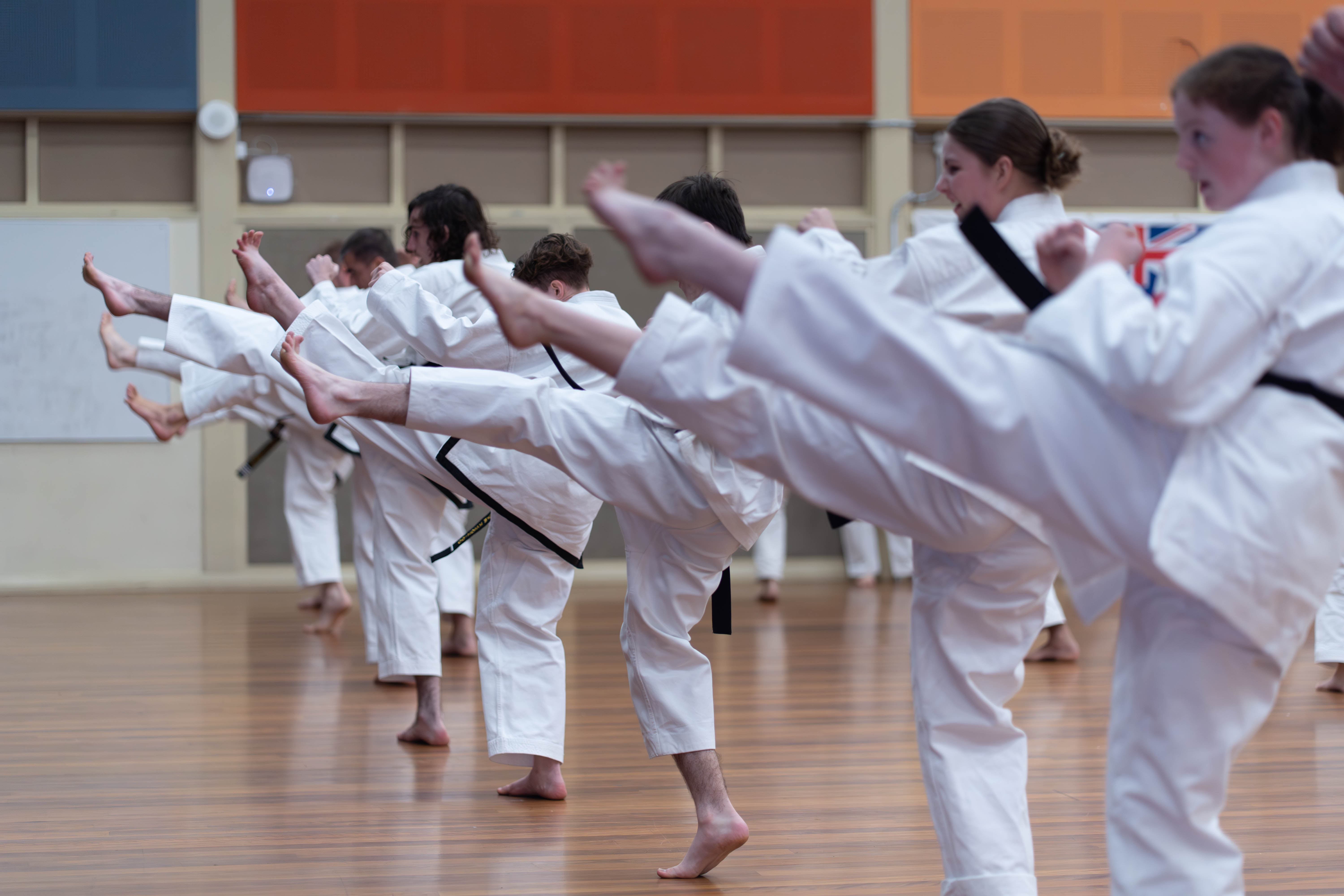
This is the single most important thing to check before enrolling. A teenager kept in a children's class, doing children's drills, will quit within a term. A teenager training alongside adults, held to an adult standard, tends to stay, because the expectation is higher and they rise to meet it. That is why our Adults and Teens program runs from age 12 with teenagers in the same session as adults, not in a separate junior class.
Which martial art is best for a teenager?
The one they will keep turning up to, which depends more on the teenager than the style. A teenager who wants structure and visible progress does well in a striking art with a belt system. One drawn to close physical contact often prefers grappling.
Rather than guess, it is worth understanding the differences before choosing. Our guide to choosing a martial art in Canberra covers the main styles and what each involves. For a teenager specifically, the deciding factor is usually the room and the instructor, not the style on the sign.
What about confidence and self defence?
Both come, but not in the way films suggest. The self defence is real and taught properly, but the confidence does not come from learning to fight. It comes from getting measurably better at something difficult, week after week, in front of other people.
That is the version of confidence that lasts, because it is built on evidence rather than encouragement. A teenager who has earned a belt through a grading they could have failed knows something about themselves that no amount of being told they are capable can provide. The self defence is genuinely useful. The self assurance that comes with it is the part parents notice first.
We watched it work on ourselves
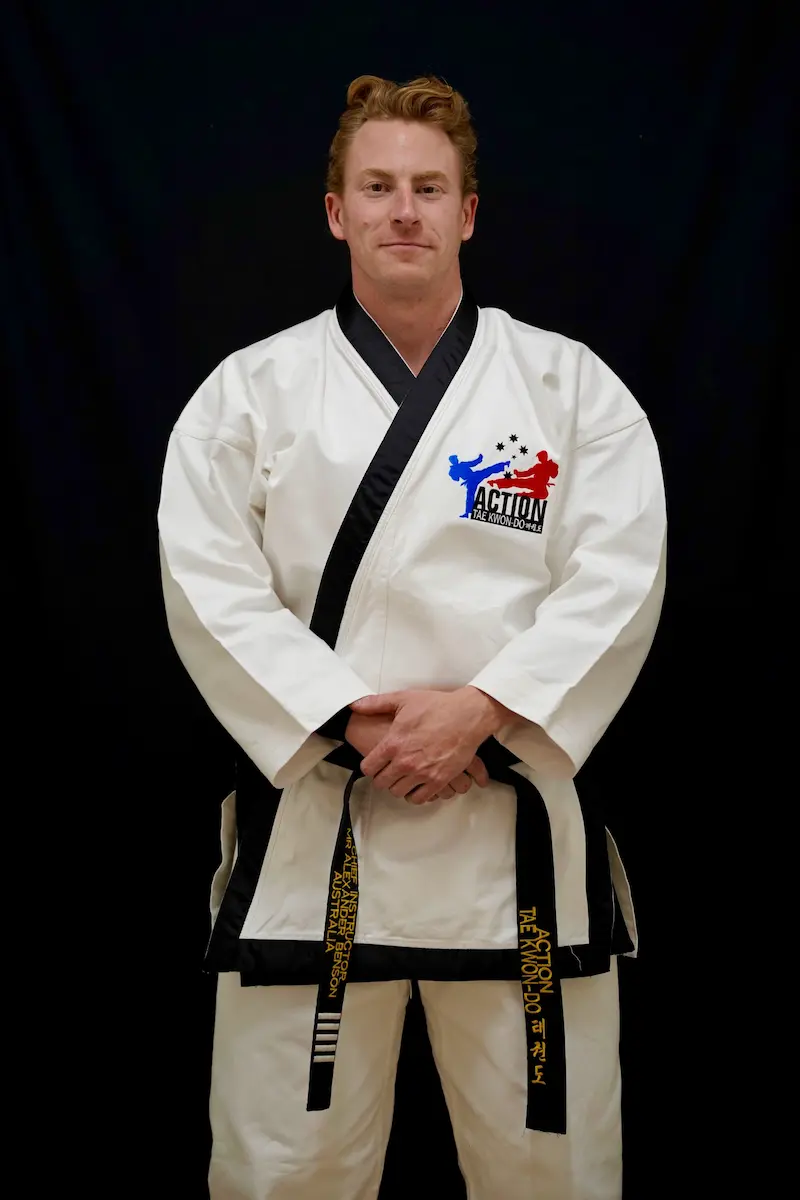
About half of our current instructors, including the Chief Instructor, trained here as teenagers. Some came up through the children's program and kept going. Others started in their teens and worked through the adult belts alongside grown adults. It shaped them, and we have watched what it did.
What it gave them was a structured environment with one focus: learning a skill and getting better at it. Not an iPad, not a phone, but a couple of hours where a teenager has to be sharp. Held accountable to listen. Held accountable to watch an instructor and reproduce a technique the way it is meant to be done. Then they take it into sparring and find out whether it actually works, which is where the learning becomes real. They learn to defend themselves in a practical, tested way, while staying fit, and while surrounded by people who motivate them and do not put up with a teenager coasting.
That last part matters more than it sounds. A room of adults and senior students who expect a teenager to turn up and try is a rare thing for a teenager to have, and it is most of why the ones who start tend to stay.
Common questions
What age can a teenager start martial arts?
Any age through the teenage years works. From 12, teenagers are ready to train alongside adults rather than in a children's class, which suits them better and keeps them engaged.
Is martial arts good for a teenager's mental health?
It helps many teenagers, through regular exercise, structure, and the confidence that comes from visible progress. It is not a treatment for mental health conditions, and a teenager who is struggling should see a professional, but the routine and the sense of achievement genuinely help.
Will martial arts make my teenager aggressive?
The opposite, in a well run school. Proper martial arts training teaches control and restraint, and teenagers learn that skill carries responsibility. Schools that emphasise discipline and etiquette produce calmer teenagers, not more aggressive ones.
How often does a teenager need to train?
Regularly enough to build a habit, which matters more than training hard in occasional bursts. We go through what a sensible routine looks like at the trial, once we have met your teenager and understand their schedule.
Do they need to be fit or sporty to start?
No. Most teenagers who start are neither, and the training builds fitness rather than requiring it. A teenager who has never enjoyed team sport often does well in martial arts precisely because it is individual and self-paced.
Seeing for yourself
The reliable way to know if martial arts suits your teenager is to let them try a class and watch how they respond. Most teenagers know within one session whether it feels right, and so do most parents.
Book a free trial class and see how your teenager takes to it.